
Phoenix prioritizes walkable health and innovation districts through balanced urban design emphasizing accessibility and tranquility. Key elements include strategic street networks for pedestrians and cyclists, green spaces as sound buffers, and technology integration for real-time access. The South Mountain neighborhood serves as a successful model, integrating medical centers, parks, and mixed-use buildings with pedestrian-friendly infrastructure. Revitalization through sustainable design principles fosters vibrant, connected neighborhoods encouraging active lifestyles and social interaction. Smart city initiatives combine digital technology with physical design to support these efforts.
In today’s world, creating safe, quiet, and accessible neighborhoods is more crucial than ever for fostering walkable health and innovation districts—a key focus in Phoenix and many other urban centers. The challenge lies in balancing the need for peaceful residential environments with convenient access to vibrant public spaces and essential amenities. This article delves into strategic planning and design solutions that prioritize pedestrian-friendly infrastructure, green spaces, and a sense of community, ensuring residents can enjoy a high quality of life while fostering economic growth and environmental sustainability in Phoenix’s walkable districts. By exploring these innovations, we aim to provide valuable insights for urban developers and policymakers.
- Defining Elements for Calm Urban Spaces
- Crafting Walkable Health Districts in Phoenix
- Innovation: Revitalizing Neighborhoods Naturally
Defining Elements for Calm Urban Spaces
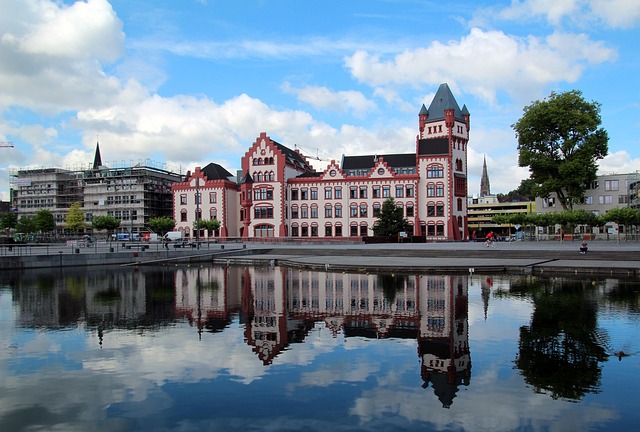
Creating safe, quiet blocks with fast access to essential amenities is a key element of urban design that fosters walkable health and innovation districts. In Phoenix, for instance, smart health neighborhood design principles have emerged as a model for sustainable urban development. A calm urban space is characterized by a balance between accessibility and tranquility, where residents can enjoy a peaceful environment while effortlessly reaching vital services.
Central to this concept are well-planned street networks that prioritize pedestrian and cycling infrastructure over vehicular traffic. Wide sidewalks, dedicated bike lanes, and strategically placed crosswalks not only enhance safety but also encourage active transportation. This design encourages residents to opt for walking or biking as their primary modes of travel, reducing noise pollution and vehicle emissions. For example, Phoenix’s walkable health and innovation districts, such as the South Mountain neighborhood, have seen significant improvements in air quality and overall public health since implementing these strategies.
Additionally, incorporating green spaces and natural elements within urban blocks contributes to a quieter, more serene atmosphere. Parks, gardens, and tree-lined streets not only provide aesthetic value but also act as sound buffers, reducing noise levels from bustling roads. Integrating these green spaces strategically can create a sense of community and encourage social interaction, fostering a healthier mental well-being. The success of Phoenix’s smart health neighborhood design initiatives underscores the importance of incorporating walkability, accessibility, and environmental sustainability into urban planning efforts to create truly livable cities.
Crafting Walkable Health Districts in Phoenix

Phoenix, with its vibrant culture and growing health sector, presents an exciting opportunity to develop walkable health and innovation districts. Crafting these smart health neighborhoods requires thoughtful planning and a commitment to creating sustainable, accessible environments that prioritize pedestrianism. By integrating healthcare facilities, residential areas, retail, and leisure spaces, Phoenix can foster communities where residents can thrive both physically and mentally within their own districts.
One successful example is the evolving South Mountain area, where new developments are incorporating medical centers, parks, and mixed-use buildings to create a thriving health district. This approach not only enhances accessibility for patients but also encourages a culture of wellness among residents. Implementing pedestrian-friendly infrastructure, such as wide sidewalks, bike lanes, and green spaces, is crucial to making these districts truly walkable. Additionally, leveraging technology through apps and smart city initiatives can connect neighborhoods, providing real-time information on local amenities and healthcare services.
Designing these districts with a focus on accessibility and sustainability ensures Phoenix remains a leader in innovative urban planning. Engaging with experts, incorporating community feedback, and adopting evidence-based practices are essential steps to create walkable health districts that support the well-being of residents and visitors alike. By prioritizing pedestrian movement, Phoenix can build vibrant, connected neighborhoods that enhance the quality of life for all its citizens.
Innovation: Revitalizing Neighborhoods Naturally
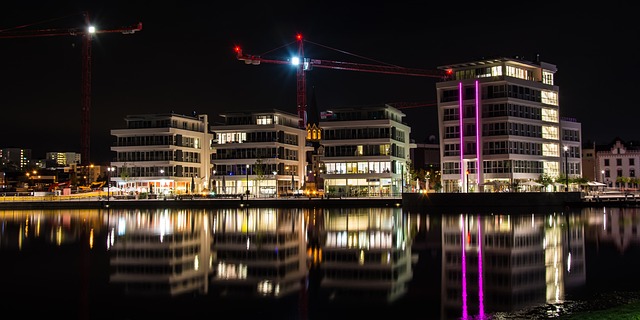
Revitalizing neighborhoods naturally is a powerful approach to fostering walkable health and innovation districts Phoenix residents can be proud of. By prioritizing sustainable design principles, we can create vibrant communities that are not only aesthetically pleasing but also functional and livable. The concept of integrating smart health neighborhood design into Phoenix’s urban fabric offers a promising solution to the growing demand for more accessible, green spaces.
One successful example is the transformation of various blocks within the city into quiet, yet dynamic hubs. These areas have been meticulously planned to accommodate essential amenities within easy reach, encouraging residents to embrace active lifestyles. For instance, the recent development of the “Green Oasis District” features a network of interconnected parks, pedestrian-friendly pathways, and community gardens. This innovative design not only enhances the overall aesthetic appeal but also encourages social interaction and promotes physical well-being through increased walkability. Research suggests that walkable neighborhoods with access to green spaces can lead to reduced stress levels and improved mental health outcomes.
Implementing natural solutions requires a holistic approach, considering factors such as land use planning, transportation infrastructure, and community engagement. Phoenix’s commitment to smart city initiatives can further support these efforts by integrating digital technology with physical design. For example, installing smart sensors along walking routes can provide real-time data on air quality and noise levels, enabling residents to make informed decisions about their outdoor activities. Additionally, promoting mixed-use developments with a focus on walkability ensures that daily necessities, retail outlets, and recreational facilities are within close proximity, fostering a sense of community and reducing the reliance on motorized transportation.