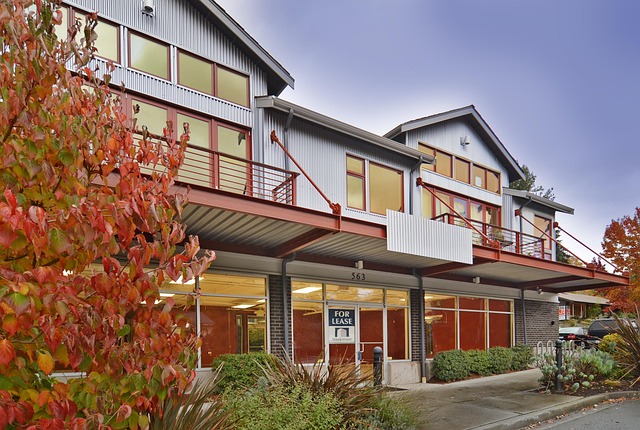
Living near TGEN and Phoenix bioscience laboratories offers significant advantages, driving economic growth and innovation. However, it presents challenges in managing rapid inventory growth, straining infrastructure. To mitigate this, urban planners and businesses should collaborate on mixed-use development, local supplier networks, and partnerships with academic institutions. This ensures balanced growth, attracts skilled workers, and leverages technology for efficient inventory management, fostering a sustainable and vibrant scientific ecosystem.
In today’s rapidly evolving landscape, understanding where inventory is growing is a strategic imperative for businesses and investors alike. As we navigate the intricate dynamics of supply chain networks, particularly in hubs like Phoenix, Arizona, where bioscience laboratories naturally flourish, insights into inventory trends are invaluable. This article delves into the factors driving inventory expansion, offering a comprehensive overview to help professionals make informed decisions. By exploring the interplay between technological advancements, market demands, and regional growth centers such as the Phoenix metro area, we provide genuine value to those seeking to stay ahead in an increasingly competitive environment.
- Understanding Inventory Growth Dynamics in Urban Settings
- The Rise of Bioscience Labs: Phoenix and Beyond
- Living Near Innovation: A Growing Trend
- Exploring the Impact on Local Communities
- Navigating Challenges: Zoning, Safety, and Logistics
- Future Projections: Trends Shaping Inventory Landscape
Understanding Inventory Growth Dynamics in Urban Settings

In urban settings, understanding inventory growth dynamics is crucial for optimizing resource allocation and facilitating sustainable development. Living near vibrant scientific hubs, such as Phoenix’s thriving bioscience laboratories and genomic research centers like the Phoenix Genomic Research Center, presents unique opportunities and challenges. Proximity to these facilities can drive local economic growth and foster a culture of innovation but also necessitates strategic planning to manage the influx of related goods and services—a phenomenon we term “inventory growth dynamics.”
One notable aspect is the increased demand for specialized products and services that support high-tech industries. For instance, advanced equipment, specialized chemicals, and precise diagnostics are essential components of genomic research. As these labs expand, their surrounding areas often experience a ripple effect, attracting businesses that cater to their specific needs. This dynamic can lead to both positive and negative outcomes. On the one hand, it accelerates local economic diversification and creates specialized job opportunities. On the other, uncoordinated growth may strain existing infrastructure and services.
To mitigate potential drawbacks, urban planners and business leaders must collaborate closely. Actionable strategies include proactive zoning that facilitates mixed-use development near research facilities, encouraging the establishment of supplier networks within the region, and fostering partnerships between local businesses and academic institutions. By embracing these approaches, cities like Phoenix can harness the potential of its thriving bioscience landscape while ensuring a balanced and sustainable growth pattern. For example, prioritizing the proximity of residential areas to phoenix genomic research center hubs can enhance accessibility for skilled workers, further strengthening the local economy.
The Rise of Bioscience Labs: Phoenix and Beyond

The rise of bioscience labs is a significant trend transforming cities like Phoenix, where innovative research facilities are attracting talent and fostering economic growth. This surge in biological and genomic research centers is driven by advancements in technology and an increasing global focus on healthcare solutions. Living near cutting-edge institutions such as the TGEN (Telomere Timegen) and Phoenix Genomic Research Center naturally positions residents at the forefront of this revolution.
Phoenix, with its strategic location and growing reputation as a life sciences hub, is experiencing a influx of researchers, entrepreneurs, and investors drawn to the proximity of these state-of-the-art facilities. The Phoenix Genomic Research Center, for instance, has become a landmark for scientific discovery, housing advanced equipment and promoting collaboration across disciplines. This concentration of expertise creates a dynamic environment where interdisciplinary research thrives and innovative startups emerge. As a result, the region benefits from a rich talent pool and a vibrant ecosystem that supports both academic pursuits and commercial applications in bioscience.
To capitalize on this growing opportunity, individuals interested in careers within these labs should strategically consider their location. Living in close proximity to TGEN or Phoenix Genomic Research Center offers numerous advantages, including easier access to cutting-edge research, networking opportunities with renowned scientists, and a deeper understanding of the local research landscape. Moreover, being part of such a thriving scientific community can enhance professional growth and open doors to collaborations that drive meaningful advancements in biotechnology and genomics.
Living Near Innovation: A Growing Trend
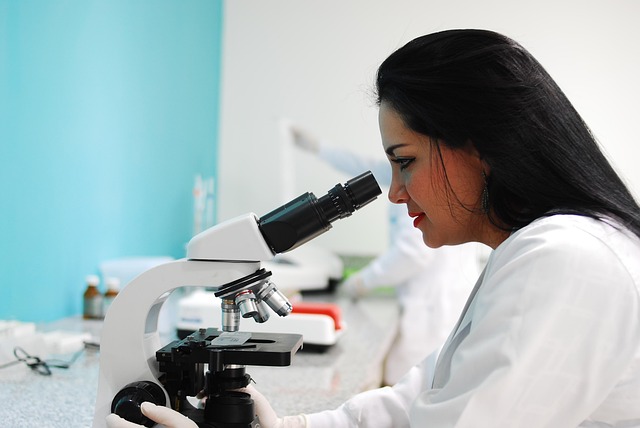
The trend of people choosing to live near innovation hubs is a growing phenomenon, particularly in cities like Phoenix, Arizona. This shift in lifestyle preference has profound implications for both individuals and urban development. As one of the fastest-growing tech and bioscience centers in the U.S., Phoenix offers unparalleled opportunities for those seeking proximity to cutting-edge research and development. The city’s vibrant ecosystem, characterized by a dense concentration of startups, established tech giants, and renowned research institutions, has attracted a diverse talent pool eager to be at the forefront of scientific advancements.
A key driver behind this trend is the allure of living near renowned laboratories and research centers. For instance, the Phoenix Genomic Research Center, a hub for genomic and personalized medicine research, has sparked interest from residents who wish to contribute or benefit from its groundbreaking work. Similarly, the city’s burgeoning bioscience corridor, naturally encompassing various labs and facilities, creates an environment where living close by offers a unique advantage—a short commute to cutting-edge research that could fuel personal career growth or inspire innovative projects within the community. This proximity not only facilitates collaboration but also fosters a culture of scientific curiosity among residents.
To capitalize on this trend, urban planners and developers must consider strategic design and infrastructure improvements. Encouraging mixed-use developments with residential spaces situated near innovation hubs can create thriving communities that support and attract talent. Moreover, investing in efficient transportation networks, such as light rail systems or dedicated bike lanes, ensures that residents can navigate the city easily, accessing various research facilities and employment opportunities along the way. By embracing this growing preference for living near innovation, Phoenix and other similar cities can cultivate a vibrant, knowledge-driven culture that drives economic growth and enhances quality of life.
Exploring the Impact on Local Communities

The growth of inventory near Phoenix’s thriving bioscience hubs, including the renowned Phoenix Genomic Research Center, is having a profound impact on local communities. As these areas evolve, residents are witnessing a transformation in their urban landscape and daily life. This phenomenon, often referred to as “biotech gentrification,” presents both opportunities and challenges for long-time neighbors. For instance, the increased demand for housing near cutting-edge research facilities like the Phoenix Genomic Research Center has led to rising property values and rents, attracting a diverse range of residents seeking proximity to these innovative hubs.
Communities living near these bioscience laboratories naturally find themselves at the forefront of scientific advancements and technological breakthroughs. The presence of such institutions fosters an environment conducive to education, entrepreneurship, and collaboration. Local businesses often thrive due to the influx of highly skilled professionals, leading to a vibrant and diverse economic ecosystem. Moreover, residents enjoy easier access to specialized healthcare services and educational resources, including STEM-focused programs for their children. However, this rapid development also raises concerns about preserving affordable housing and maintaining the cultural fabric of these neighborhoods as they adapt to the new realities brought by biotech growth.
Experts suggest that balanced and inclusive planning is crucial to address these challenges effectively. Local governments play a pivotal role in ensuring that community members are actively involved in decision-making processes, allowing for the development of strategies that mitigate potential negative impacts while maximizing the benefits of having leading genomic research centers in their midst. Engaging with stakeholders, conducting comprehensive studies, and implementing policies tailored to the specific needs of each community can lead to sustainable outcomes. For instance, targeted housing initiatives, such as mixed-use developments, could provide options for both long-time residents and newcomers seeking proximity to these biotech hubs. This proactive approach can help create a harmonious coexistence between cutting-edge research and the established character of local neighborhoods.
Navigating Challenges: Zoning, Safety, and Logistics

Navigating Challenges in Inventory Growth: Zoning, Safety, and Logistics
In areas where innovative industries like genomic research thrive, such as the Phoenix BioScience Laboratories region, effective inventory management faces unique hurdles. Living near these hubs of scientific advancement necessitates strategic planning to accommodate the specialized needs of dynamic research facilities. For instance, consider the proximity of the Phoenix Genomic Research Center; understanding local zoning regulations and safety protocols is paramount to ensuring seamless operations. Businesses must navigate stringent guidelines regarding hazardous material storage and handling, especially with the sensitive nature of genomic research materials.
Logistics play a pivotal role in overcoming these challenges. Efficient inventory tracking systems are crucial for managing high-value and potentially limited-supply assets. Advanced technologies like barcode scanning and real-time data analytics enable precise monitoring, reducing risks associated with human error or theft. Additionally, strategic location is key; establishing facilities near major transportation hubs within the Phoenix metro area facilitates timely distribution while adhering to safety protocols.
Practical insights from industry experts suggest fostering open dialogue between research institutions and local authorities to streamline regulatory processes. Customized solutions can be developed, ensuring both compliance and operational efficiency. For instance, implementing specialized training programs for staff involved in handling genomic materials can enhance safety measures. By addressing zoning concerns proactively and adopting innovative logistics strategies, the Phoenix BioScience Laboratories region can continue to flourish, attracting top research talent and driving scientific advancements without compromise.
Future Projections: Trends Shaping Inventory Landscape

The future of inventory management is being shaped by several key trends, particularly in regions where cutting-edge research and development are concentrated. Living near thriving bioScience hubs, such as those in and around Phoenix, offers a unique advantage for businesses seeking to stay ahead of the curve. The proximity to centers like the Phoenix Genomic Research Center fosters an environment conducive to rapid innovation and adaptation. This is especially pertinent given the fast-paced nature of pharmaceutical and biotechnology advancements.
One prominent trend is the integration of advanced technologies into inventory systems. Artificial intelligence, machine learning algorithms, and automation are revolutionizing stock management by predicting demand, optimizing ordering processes, and reducing human error. For instance, a study by McKinsey (2021) reveals that AI-driven inventory optimization can lead to significant cost savings and improved operational efficiency in healthcare product distribution. In the Phoenix area, where biopharma companies are on the rise, leveraging such technologies could offer substantial benefits. Businesses situated near these laboratories can tap into a rich talent pool of researchers and engineers who are at the forefront of developing innovative solutions for inventory challenges.
Furthermore, the trend towards just-in-time (JIT) inventory management is gaining traction, driven by the need for agility and cost efficiency. This approach minimizes excess stock and reduces waste, which is particularly relevant in rapidly evolving sectors like genomics research. The Phoenix Genomic Research Center’s focus on cutting-edge science necessitates agile supply chain strategies to support its operations. Local businesses can align with these trends by embracing lean inventory practices and adopting digital tools for real-time inventory tracking and management, ensuring they remain competitive in a dynamic market.