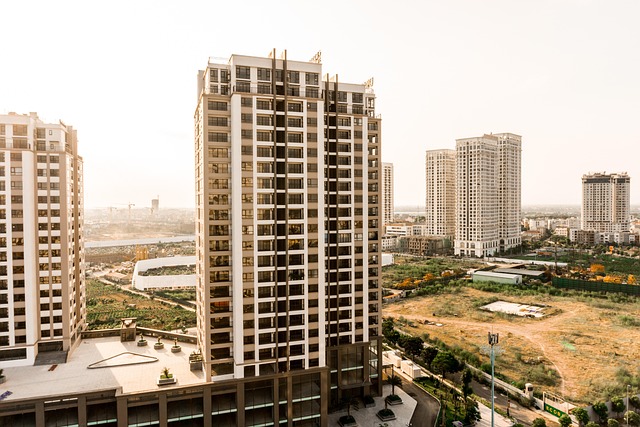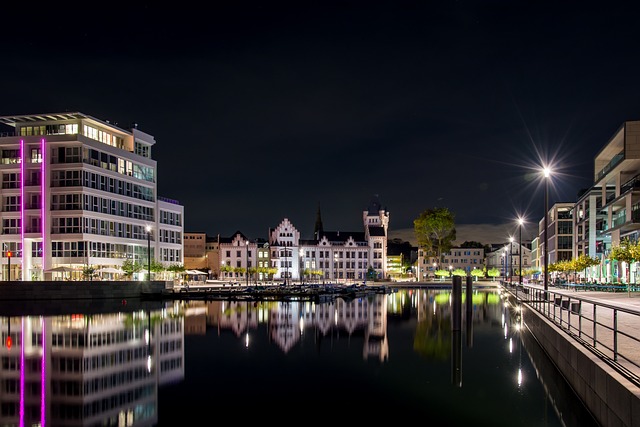
Phoenix leads the way in designing walkable health and innovation districts tailored to night-shift workers' needs through strategic urban planning. Key elements include natural light mimicry, comfortable spaces, green areas, and wellness programs. Successful models integrate technology, pedestrian-friendly environments, and public-private partnerships for inclusive, healthy communities. These strategies enhance well-being, foster community, and support 24/7 workers, setting a standard for sustainable urban development worldwide.
In today’s 24/7 economy, designing night-shift friendly buildings is more crucial than ever. With a growing demand for round-the-clock work, particularly in thriving walkable health and innovation districts like Phoenix, ensuring the well-being of employees becomes paramount. Currently, many workspaces lack considerations specific to nocturnal workers, leading to health disparities and productivity losses. However, by integrating innovative design strategies that promote natural light, ergonomic spaces, and access to fresh air, we can create environments conducive to the unique needs of night shift staff. This article delves into these solutions, offering valuable insights for architects, urban planners, and employers aiming to revolutionize workspaces for a healthier and more productive future.
- Designing for Night-Shift Workers' Well-being
- Walkable Health Districts: Phoenix's Innovation Model
- Strategies to Foster Sustainable Night-Shift Practices
Designing for Night-Shift Workers' Well-being
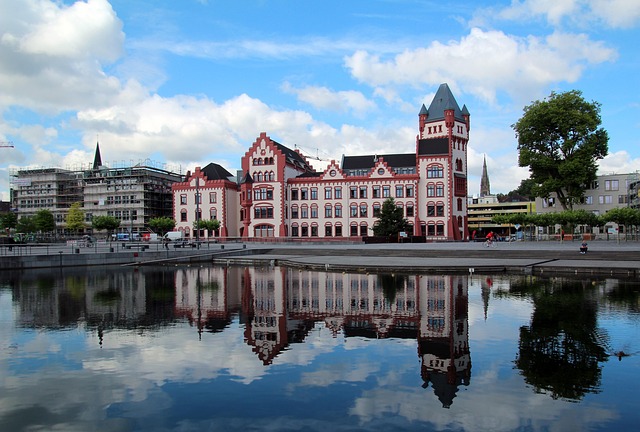
Designing for night-shift workers’ well-being is a critical aspect of creating healthy and sustainable environments, particularly in urban areas like Phoenix where walkable health and innovation districts are emerging as models for future smart neighborhoods. These districts, characterized by dense populations, mixed-use development, and advanced technology integration, present unique opportunities to cater to the specific needs of night-shift employees while promoting overall community wellness.
One key strategy involves incorporating design elements that enhance natural light exposure during the evening hours. Well-placed windows, skylights, and strategic lighting can mimic daylight, helping to regulate circadian rhythms for those working against their natural sleep cycles. For instance, a recent study found that workers in facilities with optimized natural light had improved mood and energy levels throughout their shifts, leading to increased productivity and reduced errors. In the Phoenix smart health neighborhood design context, this might include expansive windows in offices and common areas, as well as strategically placed street lamps and public art installations that illuminate pathways, creating a comforting and accessible environment for night-shift workers.
Additionally, designing spaces that prioritize comfort, privacy, and social interaction can significantly impact shift workers’ experiences. This includes providing dedicated break areas with comfortable seating, private rooms for rest or prayer, and community spaces where employees can socialize and unwind after their shifts. Successful examples from walkable health districts in Phoenix have incorporated green spaces, quiet lounges, and even on-site wellness programs tailored to night-shifters’ schedules. By fostering a sense of belonging and offering opportunities for both relaxation and engagement, these designs contribute to the overall well-being of shift workers, ensuring they feel valued and supported within their urban environment.
Walkable Health Districts: Phoenix's Innovation Model

Phoenix has emerged as a leader in smart health neighborhood design, pioneering walkable health and innovation districts that cater to night-shift workers. This model prioritizes accessibility and community engagement, ensuring residents have easy access to healthcare services regardless of their work schedules. The city’s approach integrates technology with thoughtful urban planning, creating vibrant environments where people can thrive both personally and professionally.
One standout example is the development of the Phoenix Health Innovation District, which focuses on promoting wellness through walkable pathways connecting medical facilities, gyms, and local businesses. This district leverages data-driven insights to optimize service delivery, allowing night-shift employees to conveniently access preventive care, urgent services, and wellness programs. By fostering a culture of health and well-being, Phoenix’s smart neighborhood design encourages active lifestyles and better overall health outcomes for its residents, especially those with non-traditional work schedules.
To replicate this innovative model, urban planners and policymakers should focus on three key areas: designing pedestrian-friendly environments, integrating digital health solutions, and fostering public-private partnerships. Walkable health districts can be tailored to fit diverse community needs, leveraging technology to enhance accessibility and streamline healthcare delivery. By adopting these strategies, cities worldwide can follow Phoenix’s lead in creating inclusive, livable spaces that support the unique health and wellness requirements of night-shift workers.
Strategies to Foster Sustainable Night-Shift Practices
In fostering sustainable night-shift practices within Phoenix’s walkable health and innovation districts, thoughtful building design plays a pivotal role in enhancing the well-being of both residents and workers. The concept of a smart health neighborhood, deeply integrated with phoenix smart health neighborhood design principles, offers a blueprint for creating livable, resilient communities that cater to 24/7 schedules. This approach prioritizes pedestrian accessibility, efficient transportation systems, and energy-efficient buildings to support the unique needs of night-shift workers while promoting overall health and innovation district vitality.
Key strategies include optimizing natural lighting in workspaces through strategic window placement and light tubes, incorporating dynamic interior lighting that simulates daylight cycles, and integrating green spaces and outdoor recreation areas within building complexes. For instance, studies show that exposure to natural light during shifts can significantly improve alertness and cognitive performance for night-shift workers, reducing the risk of errors and accidents. Phoenix’s walkable health districts, with their focus on sustainable design, are naturally poised to incorporate such innovations.
Moreover, incorporating technologies like smart thermostats and energy-efficient appliances in phoenix smart health neighborhood buildings can dramatically reduce energy consumption during off-peak hours, benefiting both the environment and tenant costs. These technological advancements not only enhance operational efficiency but also create a more comfortable living and working environment for night-shift employees, fostering innovation and productivity. By embracing these strategies, Phoenix’s health and innovation districts can evolve into models of sustainable night-shift practices, shaping a future where work-life balance is seamlessly integrated within vibrant, smart neighborhoods.