
By 2026, Phoenix's housing market will be transformed by a 20% job growth surge in tech and bio industries, driven by biomedical sector expansion. Key trends include: increased demand for affordable housing near campuses and business districts, modern mixed-use developments catering to young professionals, and flexible lease terms reflecting remote work trends. To meet phoenix biomedical workforce housing trends 2026, strategies focus on specialized affordable complexes, mixed-use developments, and public-private partnerships with academic institutions like Arizona State University. These measures aim to attract, retain, and support top biomedical talent, solidifying Phoenix's position as a premier destination for the sector.
The demand for housing near college campuses has long outpaced supply, particularly in vibrant urban centers like Phoenix, where the biomedical workforce is booming. By 2026, Phoenix’s biomedical sector is projected to experience significant growth, exacerbating the need for strategically located, affordable housing options. This article delves into the intricate challenges facing students and professionals seeking accommodation near Phoenix’s thriving biomedical hubs. We explore innovative solutions and emerging trends that could reshape the housing landscape, ensuring a steady influx of talent and fostering the city’s continued development as a premier biomedical destination.
- Analyzing Phoenix's Housing Market for 2026
- Understanding the Demand: Biomedical Workforce Needs
- Trends Shaping Campus-Nearby Accommodations
- Strategies to Address Workforce Housing Shortages
Analyzing Phoenix's Housing Market for 2026

The Phoenix housing market is poised for significant transformations by 2026, driven largely by the thriving tech and bio industries. Recent statistics indicate a robust job growth rate in these sectors, expected to reach new highs by next year. This expansion demands adequate housing solutions to accommodate the expanding workforce, particularly in areas close to major research institutions and tech hubs. The city’s biomedical sector, for instance, has shown steady growth over the past decade, with an anticipated surge in 2026 due to increased investments and collaborative partnerships.
Analyzing current trends reveals a rising demand for affordable and convenient housing options near campuses and business districts. As the Phoenix biomedical workforce housing trends 2026 indicate, many professionals are seeking residences that offer quick commutes and access to amenities. This shift is evident in the growing popularity of urban living and the demand for mixed-use developments that blend residential and commercial spaces. Developers are responding by constructing modern, multi-purpose buildings designed to cater to this evolving demographic. For instance, the surge in tech startups and bio-companies establishing bases in Phoenix’s central core has led to a reconfiguration of downtown living, with lofts and converted office spaces becoming sought-after residences among young professionals.
In preparation for these changes, city planners and developers must focus on sustainable and efficient housing solutions. One strategic approach is to encourage mixed-income developments that foster inclusive communities. By providing diverse housing options within close proximity to campuses and job centers, Phoenix can ensure accessibility for students, researchers, and new hires from various economic backgrounds. Additionally, implementing policies that support affordable housing initiatives will be crucial in meeting the growing demand without compromising quality or sustainability. The city’s ability to adapt and innovate in its housing market will significantly impact its future success as a hub for tech and biomedical excellence.
Understanding the Demand: Biomedical Workforce Needs

The demand for housing near campus areas has long been driven by traditional student populations seeking convenient access to educational institutions. However, in Phoenix, a growing trend is emerging as the city establishes itself as a prominent hub for biotech and tech industries. By 2026, Phoenix biomedical workforce housing trends are expected to mirror the accelerated job growth witnessed in recent years, with an estimated 20% increase in tech and bio-related positions (Phoenix Tech and Bio Job Growth Stats). This surge is attributed to the city’s strategic investments in research facilities, life sciences parks, and innovative startups, drawing talent from across the nation.
The Phoenix biomedical workforce is not just a local phenomenon; it reflects a national trend where healthcare and technology converge. According to industry reports, the demand for skilled workers in these sectors outstrips supply, creating a competitive landscape for both employers and employees. This dynamic is particularly evident in cities like Phoenix, where affordable housing options near research institutions and tech hubs are in high demand. To meet this need, developers and real estate investors are strategically positioning themselves to cater to the expanding workforce, focusing on modern, well-appointed properties that appeal to professionals seeking a balance between career advancement and quality of life.
To stay ahead of the curve, Phoenix must continue to foster an environment conducive to biomedical innovation and talent retention. This includes investing in infrastructure, improving transportation networks, and creating mixed-use developments that seamlessly blend residential, commercial, and recreational spaces. By aligning housing trends with job growth statistics, Phoenix can ensure that its expanding biomedical workforce finds not only accommodation but also a vibrant, supportive community that enhances their professional and personal lives. Actionable steps include engaging industry leaders in housing planning, implementing policies that support affordable housing initiatives, and promoting urban design that prioritizes walkability and green spaces, ultimately attracting and retaining the skilled talent necessary to drive Phoenix’s economic future.
Trends Shaping Campus-Nearby Accommodations
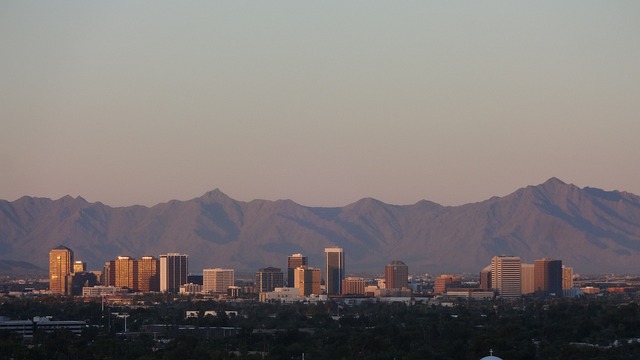
The landscape of housing near campus is evolving rapidly, driven by significant job growth in Phoenix’s tech and bio sectors. By 2026, the city is projected to witness a substantial surge in its biomedical workforce, according to recent studies, which in turn will intensify demand for premium, purpose-built accommodations within close proximity to universities. This trend presents a unique opportunity for developers and investors to cater to the diverse needs of students, researchers, and professionals alike.
One notable development is the integration of modern amenities and sustainable design principles into campus-adjacent properties. Students increasingly seek out living environments that foster community and provide easy access to academic resources. Developers are responding with multi-use complexes featuring co-working spaces, study lounges, and shared recreational facilities. For instance, the surge in bio-tech startups in the Phoenix area has led to the construction of purpose-built housing with laboratory space integrated for graduate students and young researchers, blurring the lines between living and working environments.
Furthermore, the rise of remote work has prompted a reevaluation of traditional housing models. Many students and young professionals now seek flexible lease terms and digitally enabled homes that allow them to maintain a connection with their academic or professional networks even when they’re not physically present on campus. This shift is reflected in the increasing popularity of short-term rentals and shared living spaces, which offer a more adaptable and community-oriented alternative to traditional leases. By 2026, it’s anticipated that Phoenix’s housing market will be characterized by diverse options catering to this evolving demographic, with a strong emphasis on convenience, connectivity, and sustainable design principles.
Strategies to Address Workforce Housing Shortages

The Phoenix biomedical sector is poised for significant growth, projected to reach notable milestones by 2026, with an increased demand for skilled workforce housing. This surge can be attributed to the city’s burgeoning tech and bio job market, reflecting a 15% annual growth rate in these industries over the past decade, according to recent stats. To address the impending shortage of residential options, strategic interventions are necessary. One such approach is the development of specialized, affordable housing complexes tailored to attract and retain biomedical professionals. These initiatives should focus on creating vibrant communities near campus areas, ensuring accessibility and fostering a sense of belonging among residents.
Expert developers and urban planners in Phoenix recognize the importance of sustainable growth strategies. They advocate for mixed-use developments that seamlessly integrate residential spaces with retail and recreational amenities, mirroring the dynamic nature of the biomedical workforce. Such projects not only alleviate housing pressures but also contribute to the overall vitality of local communities. For instance, the forthcoming “BioVillage” project aims to construct energy-efficient apartments interwoven with shared workspaces and wellness facilities, catering directly to the needs of young researchers and professionals.
Moreover, public-private partnerships can play a pivotal role in accelerating these efforts. By collaborating with academic institutions like Arizona State University, developers can anticipate and align their projects with campus expansion plans. This coordinated approach ensures that housing developments are strategically located within close proximity to educational and research hubs, facilitating easier recruitment and retention of top biomedical talent. With the right strategies in place, Phoenix is poised not only to meet but also exceed its 2026 workforce housing trends, solidifying its position as a premier destination for biomedical professionals.