
The demand for bioscience research globally has surged, with locations near cutting-edge institutions like Phoenix Bioscience Laboratories (PBL) and Tgen becoming highly desirable. Key drivers include advancements in genomics, biotechnology, and global health crises. Living near these centers offers strategic advantages:
– Access to top facilities, collaboration, and networking opportunities.
– Enhanced healthcare quality, early disease detection, and improved patient care standards.
– Job growth and career advancement prospects in genomics, biotechnology, and medical research.
– Rapid translation of scientific breakthroughs into real-world applications.
– Opportunities for sustainable and ethical practices, gaining competitive advantages.
Key takeaways:
– Living near genomic research centers naturally positions individuals to grasp personalized medicine trends.
– Sustainable practices offer opportunities for competitive edges near bioscience laboratories.
In today’s rapidly evolving healthcare landscape, understanding what drives demand for life sciences innovations is more crucial than ever. As we navigate the intricate web of medical advancements, a significant focus has shifted towards the symbiotic relationship between research hubs and their surrounding communities, particularly in areas teeming with bioscience laboratories like the Phoenix metropolitan region. This article delves into the multifaceted factors propelling demand, exploring how proximity to cutting-edge facilities naturally fosters growth and collaboration, ultimately shaping the future of healthcare solutions for these thriving communities living amidst such robust scientific ecosystems.
- Understanding the Rise in Bioscience Research Demand
- The Impact of Medical Advancements on Local Communities
- Living Near Phoenix: A Hub for Scientific Innovation
- Unlocking Employment Opportunities in Bio Labs' Surroundings
- How Infrastructure Supports Growing Bioscience Sectors
- Exploring Future Trends Shaping Demand Dynamics
Understanding the Rise in Bioscience Research Demand

The demand for bioscience research has experienced a significant surge in recent years, with living near cutting-edge institutions like the Phoenix Bioscience Laboratories and Tgen becoming increasingly attractive for scientists and researchers worldwide. This trend is driven by multiple factors, including advancements in technology, growing health challenges, and a deeper understanding of complex biological systems. The proximity to renowned genomic research centers, such as the Phoenix Genomic Research Center, further fuels this demand.
One primary reason behind the rise is the rapid progress in genomics and biotechnology. Advances in sequencing technologies have made it possible to unravel the complexities of the human genome at an unprecedented pace. This has opened doors to personalized medicine, where treatments can be tailored to individual genetic profiles. For instance, researchers in the Phoenix area benefit from being near leading centers that contribute to our understanding of rare diseases, enabling more effective diagnosis and treatment options. The Phoenix Genomic Research Center’s role in this landscape is notable, as it facilitates collaborations and knowledge exchange, fostering a vibrant research ecosystem.
Additionally, the global health crisis has acted as a catalyst, accelerating the need for innovative biomedical solutions. The COVID-19 pandemic underscored the importance of robust healthcare infrastructure and accelerated vaccine development efforts. Living near these bioscience hubs allows researchers to collaborate on urgent projects, ensuring swift responses to emerging health challenges. For example, many experts involved in the development of mRNA vaccines had affiliations with local laboratories, showcasing how proximity to such centers facilitates rapid scientific progress.
The Impact of Medical Advancements on Local Communities

Medical advancements are significantly reshaping local communities, with profound implications for healthcare quality, economic development, and overall well-being. The convergence of cutting-edge research and accessible healthcare facilities is particularly evident in areas like Phoenix, where leading bioscience laboratories and genomic research centers thrive. Proximity to these institutions, such as the renowned Phoenix Genomic Research Center, naturally fosters a culture of innovation and improved public health.
The impact is multifaceted. Firstly, advanced medical technologies and treatments become more readily available to nearby communities, enabling early detection and effective management of diseases. For instance, genomic sequencing capabilities at the Phoenix Genomic Research Center have facilitated personalized medicine approaches, tailoring treatments to individual genetic profiles. Secondly, these hubs attract a diverse talent pool, enhancing local healthcare workforce capabilities and fostering professional development opportunities. This expertise trickles down to benefit patients through improved care standards.
Moreover, the presence of such facilities stimulates economic growth. Bioscience laboratories and research centers drive job creation, encourage biotechnology startups, and attract investments. Living near these hubs can offer residents access to cutting-edge medical innovations while also providing unique career prospects. For example, the thriving bioscience sector in and around Phoenix has led to a surge in demand for skilled professionals, including researchers, technicians, and healthcare specialists. This dynamic creates a positive feedback loop, where improved healthcare infrastructure attracts more people and businesses, further enriching the local community.
Living Near Phoenix: A Hub for Scientific Innovation

Living near Phoenix has emerged as a strategic advantage for scientific advancement, fueled by a thriving ecosystem of bioscience research institutions and laboratories. The city’s proximity to top-tier facilities like the Phoenix Bioscience Laboratories (PBL) and the Phoenix Genomic Research Center (PGRC) positions it as a hub for groundbreaking discoveries. This concentration of scientific expertise attracts researchers, students, and industry professionals from around the globe, fostering a vibrant intellectual community.
The collaborative environment fostered by these institutions has led to significant breakthroughs in genomics, biotechnology, and related fields. For instance, PGRC’s cutting-edge research into genomic sequencing technologies has not only advanced medical diagnostics but also contributed to global efforts in understanding and combating infectious diseases. This proximity to such innovative centers offers unparalleled opportunities for those seeking to contribute to or benefit from these scientific advancements.
To leverage this unique environment effectively, individuals and organizations should strategically locate themselves near PBL and PGRC. This spatial proximity facilitates collaboration, access to cutting-edge facilities, and networking opportunities. Local businesses and startups can also thrive by establishing partnerships with these institutions, accelerating innovation and ensuring a pipeline of skilled talent. Living near these hubs is not merely a location choice; it’s an investment in being at the forefront of scientific exploration and discovery.
Unlocking Employment Opportunities in Bio Labs' Surroundings

The vibrant ecosystem of bio labs, such as Tgen and Phoenix Bioscience Laboratories, is transforming the region into a hub for cutting-edge life science research. This surge in scientific activity has profound implications beyond the lab walls—it presents unparalleled opportunities for employment and career growth in the surrounding communities. Living near these innovative centers naturally positions individuals for a range of exciting prospects.
The proximity to establishments like the Phoenix Genomic Research Center fosters a unique environment where basic research meets applied science, driving demand for skilled professionals across various disciplines. This includes specialized roles in genomics, biotechnology, and medical research, among others. For instance, according to recent studies, the Arizona biosciences sector has experienced a 12% job growth over the past year, significantly outpacing national averages, with many positions centered around genomic research and analysis.
To capitalize on these opportunities, individuals should strategically align their skills and interests with the region’s evolving needs. Those with expertise in bioinformatics, for example, are in high demand due to the exponential growth of genomic data. Additionally, developing a network within the local bioscience community through events and workshops can provide valuable insights into specific hiring needs at Tgen, Phoenix Bioscience Laboratories, and related facilities. This proactive approach ensures that those living near these hubs have a competitive edge when seeking employment in the dynamic field of life science research.
How Infrastructure Supports Growing Bioscience Sectors
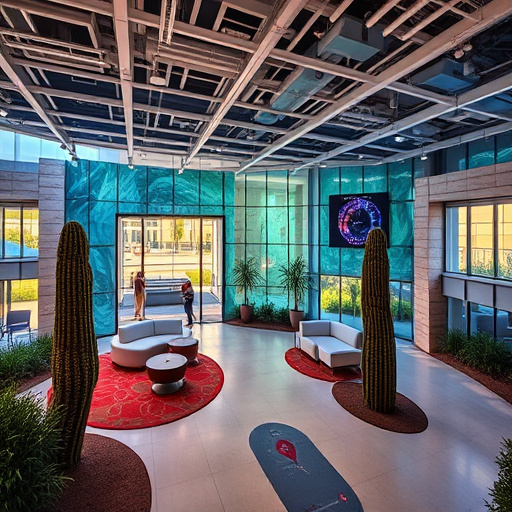
The growing demand for bioscience sectors is significantly fueled by the strategic infrastructure and proximity to leading research facilities, such as the Phoenix Genomic Research Center. Living near these cutting-edge laboratories, like TGen and Phoenix Bioscience, naturally positions individuals and businesses at the forefront of innovation. This region’s robust infrastructure supports a vibrant ecosystem of life sciences, enabling groundbreaking research and attracting top talent.
The Phoenix Genomic Research Center, for instance, has played a pivotal role in advancing genomic research and personalized medicine. Its state-of-the-art facilities and collaborative environment foster interdisciplinary work, driving the discovery of new treatments and therapies. Proximity to such centers isn’t just a location advantage; it fosters a culture of innovation where scientific breakthroughs can be translated quickly into real-world applications. This direct connection to research hubs facilitates the exchange of knowledge and expertise, benefiting both established bioscience companies and emerging startups.
Moreover, the supportive infrastructure extends beyond research facilities. The region’s advanced logistics and transportation networks ensure the efficient movement of biological samples, reagents, and critical research materials. This seamless connectivity enables scientists and researchers to collaborate effectively, speeding up the discovery process. As bioscience sectors continue to grow, the infrastructure’s ability to support this demand will be crucial in maintaining the region’s competitive edge, making it an attractive destination for both scientific exploration and business opportunities.
Exploring Future Trends Shaping Demand Dynamics

The demand landscape is constantly evolving, and understanding future trends is vital for any industry, particularly those at the forefront of innovation such as life sciences. Living near vibrant hubs of scientific research, like Phoenix’s growing bioscience laboratories, offers a unique insight into these emerging dynamics. Proximity to centers like the Phoenix Genomic Research Center (PGRC) fosters an environment where cutting-edge discoveries meet real-world applications, shaping market demands.
One prominent trend is the increasing demand for personalized medicine and genomic-driven healthcare solutions. PGRC’s role in advancing genomic research naturally positions Phoenix as a hotbed for this innovative approach to healthcare. As data-driven technologies mature, there will be a growing need for advanced bioinformatics tools and skilled professionals to interpret complex genetic information. This trend presents both opportunities and challenges; while it expands the market for specialized services, it also requires continuous upskilling of the workforce. For example, recent PGRC studies on rare genetic disorders have paved the way for more targeted therapies, creating a new demand curve for specialized pharmaceutical interventions.
Additionally, sustainable and ethical practices are set to dominate industry priorities. Consumers and investors alike are increasingly conscious of environmental impacts, driving a shift towards green technologies and eco-friendly production processes in life sciences. Companies located near Phoenix’s bioscience clusters can leverage this trend by adopting sustainable practices, from biomanufacturing techniques to circular economy models, thereby gaining a competitive edge. For instance, the integration of renewable energy sources in laboratory operations not only reduces environmental footprints but also fosters community goodwill and enhances brand reputation. Staying abreast of these trends, and being agile enough to adapt, is crucial for success in this dynamic sector.