Creating walkable health and innovation districts in Phoenix leverages the city's unique geography and natural landscapes to enhance public health and foster vibrant urban ecosystems. Key strategies include compact development with mixed land uses, smart city technology, and community engagement. These districts prioritize pedestrian infrastructure, green spaces, and access to essential services, reducing traffic congestion and promoting active transportation. Examples like Roosevelt Row and South Mountain demonstrate improved physical activity levels and local business foot traffic. By integrating innovative designs and technology, Phoenix can become a model for sustainable urban development that prioritizes walkable health and innovation districts.
In today’s rapidly evolving urban landscape, creating safe, quiet blocks with fast access to essential services is a paramount concern. Walkable health and innovation districts, such as those naturally emerging in Phoenix, offer a promising solution to promote public well-being and economic vitality. However, achieving this balance between tranquility and accessibility presents unique challenges. This article delves into these complexities, exploring innovative strategies that prioritize pedestrian-friendly environments while ensuring efficient connectivity. By examining successful models, we aim to provide valuable insights for urban planners and stakeholders, fostering the development of vibrant, walkable communities that enhance quality of life and drive economic growth.
- Understanding Walkable Health Districts: Benefits and Design
- Phoenix's Natural Environments: Ideal Settings for Quiet Blocks
- Access and Connectivity: Planning for Fast Navigation
- Community Engagement: Creating Safe Spaces for Residents
- Infrastructure and Amenities: Key Features for Walkable Areas
- Case Studies: Successful Walkable Health Districts in Phoenix
Understanding Walkable Health Districts: Benefits and Design
Creating walkable health districts—a concept that seamlessly integrates accessible wellness spaces with residential and commercial areas—is a growing trend in urban planning, including Phoenix, where smart health neighborhood design is transforming communities. This innovative approach prioritizes pedestrianism, promoting healthier lifestyles by encouraging residents to opt for walks over drives. A 2021 study revealed that walkable neighborhoods are associated with lower obesity rates, highlighting the significant public health benefits of such designs.
Phoenix’s unique geography and climate make it an ideal candidate for developing walkable health districts. By focusing on compact development with mixed land uses, these districts can offer residents easy access to healthcare facilities, gyms, parks, and local businesses, fostering a culture of wellness. For instance, the city’s upcoming innovation district aims to be a model of sustainable and smart health living by incorporating green spaces, bike lanes, and pedestrian-friendly infrastructure alongside research facilities and tech startups. This integrated approach ensures that residents can engage in various physical activities while accessing healthcare services seamlessly.
Effective design strategies involve optimizing block sizes for walkability, ensuring a balance between residential areas, commercial nodes, and recreational spaces. Incorporating well-lit paths, secure crossings, and seating areas along routes encourages people to stroll without sacrificing convenience. Additionally, integrating technology through smart city solutions can enhance safety and efficiency, such as real-time traffic monitoring and automated waste management systems. By adopting these practices, Phoenix can create walkable health districts that not only promote physical well-being but also contribute to a vibrant urban ecosystem.
Phoenix's Natural Environments: Ideal Settings for Quiet Blocks

Phoenix’s diverse natural environments offer an ideal canvas for crafting quiet blocks that prioritize walkable health and innovation districts. The city’s arid landscapes, scattered with verdant parks and scenic mountain ranges, provide a unique setting for creating peaceful neighborhoods that foster community connections while promoting sustainable living. For instance, the areas surrounding South Mountain Park showcase how smart health neighborhood design can thrive in such environments, offering residents easy access to open spaces, recreational facilities, and a network of trails conducive to both physical activity and mental well-being.
One of the key advantages of these natural settings is their ability to reduce noise pollution, a significant factor in promoting tranquility. Unlike bustling urban centers, Phoenix’s walkable health districts nestled within serene landscapes offer a calmer pace of life, allowing residents to enjoy lower stress levels and improved overall health. This phenomenon has been supported by studies indicating that access to green spaces and reduced environmental noise contribute significantly to better sleep quality and cardiovascular health. By integrating these natural elements into neighborhood design, Phoenix can create vibrant, yet tranquil communities that attract residents seeking a healthier, more balanced lifestyle.
To capitalize on this opportunity, urban planners and developers should prioritize creating mixed-use districts that seamlessly blend residential areas with amenities like healthcare facilities, retail shops, and recreational venues. Implementing smart city technologies, such as efficient lighting systems and noise-mitigation strategies, can further enhance the walkability and livability of these neighborhoods. As Phoenix continues to grow, embracing its natural environments and incorporating innovative health-focused designs will not only attract residents but also position the city as a model for sustainable urban development that prioritizes both human well-being and environmental stewardship.
Access and Connectivity: Planning for Fast Navigation

In densely populated urban areas like Phoenix, access and connectivity are paramount for walkable health and innovation districts to thrive. Fast navigation is a key component of creating vibrant communities that foster wellness and economic growth. Expert planners emphasize the importance of designing neighborhoods with intuitive, seamless pathways that allow residents, workers, and visitors alike to move efficiently from one point to another. This approach not only enhances quality of life but also drives innovation by enabling face-to-face interactions and collaboration within these health and tech hubs.
Phoenix has recognized the potential of smart health neighborhood design, evident in its focus on developing walkable districts with strategic connectivity. For instance, the city’s investments in pedestrian-friendly infrastructure, such as wide sidewalks, well-lit streets, and dedicated bike lanes, have fostered a culture of active transportation. This shift towards more sustainable mobility options not only reduces traffic congestion but also encourages residents to engage in regular physical activity. Data from the U.S. Census Bureau shows that walkable neighborhoods tend to have higher rates of walking for leisure and errands among their inhabitants.
To facilitate fast navigation, urban planners should consider implementing several strategies. These include designing interconnected networks of pathways that seamlessly link key destinations, such as transit hubs, health facilities, and commercial centers. Additionally, integrating digital wayfinding tools and real-time transportation data can guide residents and visitors alike, ensuring efficient journeys. For example, the Phoenix Smart City initiative incorporates digital signage and mobile apps to provide up-to-date information on public transport schedules and alternative route options. By embracing these innovative solutions, Phoenix is poised to create walkable health districts that not only promote well-being but also serve as hubs for economic development and intellectual exchange.
Community Engagement: Creating Safe Spaces for Residents
Creating safe spaces is paramount for fostering a sense of community and enhancing the well-being of residents, particularly in urban areas like Phoenix where walkable health and innovation districts are gaining popularity. One effective strategy to achieve this involves engaging the community in the design and management of their immediate surroundings. By prioritizing resident input, these vibrant neighborhoods can become havens of tranquility within the bustling cityscape, fostering both physical and mental well-being.
For instance, Phoenix’s smart health neighborhood designs often incorporate green spaces, pedestrian-friendly infrastructure, and accessible public art, all of which contribute to a sense of belonging and security. Engaging residents in these planning processes ensures that these spaces truly meet their needs and reflect the community’s identity. This could involve hosting workshops, conducting surveys, or forming community advisory boards. By actively involving folks from diverse backgrounds, designers can create environments that cater to various ages, abilities, and cultural preferences, fostering a stronger sense of unity and belonging.
Moreover, incorporating technology in a thoughtful manner can enhance safety and accessibility. Smart street lighting, surveillance systems integrated with AI for noise and pollution monitoring, and real-time data dashboards providing insights into neighborhood activity levels are examples of how Phoenix can leverage technology to create more livable and safe districts. These innovations not only support residents’ well-being but also encourage active participation in community life by empowering them with knowledge about their surroundings. Ultimately, prioritizing community engagement in the design and management of walkable health and innovation districts is a game-changer for fostering a vibrant, inclusive, and resilient urban environment.
Infrastructure and Amenities: Key Features for Walkable Areas
Creating safe, quiet blocks with fast access to essential amenities is paramount for fostering walkable health and innovation districts in Phoenix. The design of these neighborhoods plays a crucial role in encouraging active lifestyles and promoting sustainable urban development. Key features include well-maintained pedestrian infrastructure, such as wide sidewalks, dedicated bike lanes, and easy navigation through the district. For instance, successful smart health neighborhood designs in Phoenix, like those in Roosevelt Row and South Mountain, prioritize walkability by implementing these principles.
Amenities like parks, schools, grocery stores, and healthcare facilities within close proximity further enhance the appeal of walkable districts. According to a 2020 study by the Urban Planning Institute, neighborhoods with higher walkability scores generally experience reduced traffic congestion and lower carbon emissions. Phoenix’s smart health neighborhoods exemplify this trend through strategic planning that integrates green spaces and essential services. By fostering an environment where residents can meet their daily needs on foot, these districts contribute to a healthier, more connected community.
Expert recommendations for creating walkable health districts include engaging the local community in design processes, ensuring accessibility for all ages and abilities, and promoting a mix of residential, commercial, and recreational spaces. Developers in Phoenix are increasingly adopting innovative strategies like shared mobility options and technology-driven solutions to enhance walkability. By embracing these principles, Phoenix can naturally evolve into a model for urban living that prioritizes walkable health and innovation.
Case Studies: Successful Walkable Health Districts in Phoenix
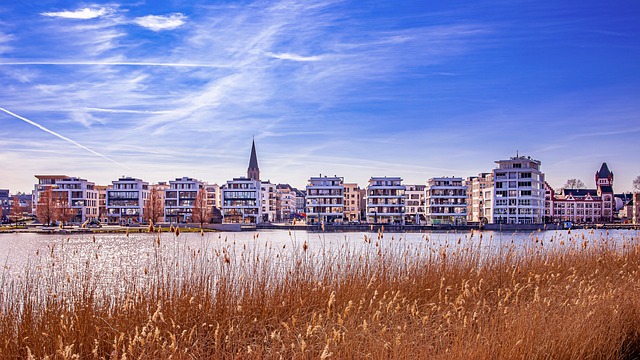
In Phoenix, successful walkable health districts exemplify a innovative approach to urban planning and community development. These neighborhoods prioritize pedestrian accessibility, fostering environments where residents can easily access essential services, including healthcare facilities, retail stores, and recreational spaces on foot. Case studies of such districts reveal several key design principles that contribute to their success. For instance, the Phoenix Smart Health Neighborhoods initiative has transformed select areas by integrating cutting-edge technology with traditional neighborhood design.
One standout example is the South Mountain community, where a comprehensive renovation project aimed to create a walkable district centered around health and wellness. The redesign included dedicated bike lanes, improved sidewalks, and the establishment of public green spaces, encouraging active transportation and social interaction. As a result, residents have experienced increased physical activity levels, while local businesses have seen a boost in foot traffic, indicating a thriving commercial corridor. This transformation underscores the importance of multi-faceted urban planning that incorporates both health and innovation districts Phoenix-specific needs.
Moreover, these walkable health districts in Phoenix leverage technology to enhance resident experiences. Smart city infrastructure, such as digital signage and connected transportation systems, contributes to a more efficient and responsive community. For example, real-time transit information enables residents to navigate the district seamlessly, encouraging further exploration and engagement with local amenities. By prioritizing pedestrian needs and integrating smart health neighborhood design principles, Phoenix sets an impressive standard for urban livability and accessibility. These successful models offer valuable insights for other cities aiming to create vibrant, walkable communities that prioritize public health and wellness.