
The healthcare wage growth impact on Phoenix real estate has intensified rent pressure and housing affordability challenges for middle-income earners. Limited new supply and rising demand from high-paying medical buyers drive up rental rates, affecting essential workers and pushing out lower-income residents through gentrification. To counteract these effects, urban planners and policymakers must promote balanced development addressing both high- and low-end housing needs within Phoenix's diverse demographic landscape. Developers should focus on convenience, healthcare accessibility, and community for high-income medical buyers, while policymakers should incentivize mixed-use developments, ease zoning regulations, and foster partnerships to create affordable housing options.
The dynamic interplay between rent pressure and new supply is a defining factor in the health of any real estate market, particularly in rapidly growing cities like Phoenix. As healthcare wage growth continues to boom, understanding the impact on local housing markets becomes paramount for both residents and investors. This article delves into the intricate relationship between these forces, examining how soaring wages influence the demand for housing and subsequently shape new supply developments. By providing a comprehensive analysis, we aim to offer valuable insights that can guide both market participants and policymakers in navigating this critical equilibrium.
- Understanding Rent Pressure: Causes and Consequences
- Analyzing New Supply: Trends and Challenges in Phoenix
- Healthcare Wage Growth Impact on Local Real Estate
- Strategies to Mitigate Disparities: A Comprehensive Approach
Understanding Rent Pressure: Causes and Consequences

Rent pressure, a persistent issue in Phoenix real estate, is intensifying due to various factors, with one of the primary contributors being the healthcare wage growth impact on the city’s demographics. The rising demand for high-paying medical positions attracts a specific buyer demographic—individuals earning 1-3 times the area median income (AMI). This influx drives up housing costs, putting pressure on both existing residents and newcomers seeking affordable accommodations.
The consequences of this rent pressure are far-reaching. For one, it exacerbates Phoenix’s existing housing affordability challenges. With limited new supply matching the pace of demand, rental rates have been climbing steadily, making it increasingly difficult for middle-income earners to secure quality living spaces. This trend disproportionately affects essential workers, including healthcare professionals, who may find themselves forced into longer commutes or less desirable neighborhoods.
Moreover, the concentration of high-income medical buyers in Phoenix has contributed to a shift in the local real estate market dynamics. These individuals often seek premium housing options close to their workplaces, driving up values and rents in specific areas. This dynamic can lead to gentrification, pushing out lower-income residents and altering the city’s cultural tapestry. To mitigate these effects, it is crucial for urban planners and policymakers to promote balanced development, ensuring that new supply addresses both high- and low-end housing needs within Phoenix’s diverse demographic landscape.
Analyzing New Supply: Trends and Challenges in Phoenix
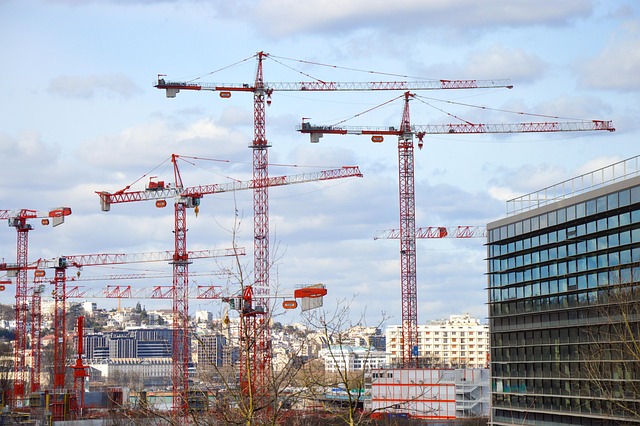
Phoenix’s real estate landscape is undergoing a significant shift as the city grapples with the tension between rent pressure and new supply. This dynamic is particularly evident in the high income medical buyer demographics that have made Phoenix their home. Over the past decade, healthcare wage growth has naturally driven demand for premium housing options, pushing rental rates to unprecedented heights. The impact of this trend is twofold: it incentivizes developers to bring more high-end properties to market and creates a competitive environment for both tenants and buyers.
Analyzing new supply trends reveals a mixed picture. While Phoenix has seen an influx of luxury apartment complexes and mixed-use developments, many projects have struggled to meet the demands of this niche market. The challenges are multifaceted; strict zoning regulations, soaring construction costs, and land scarcity all contribute to a slow pace of development. For example, a 2022 report by the Urban Land Institute noted that only 15% of new residential projects in Phoenix targeted high-income residents, despite this demographic comprising a significant portion of the city’s population. This disparity highlights the need for policy interventions and innovative solutions to address the growing divide between supply and demand.
To navigate this complex environment, developers must consider the evolving preferences of Phoenix’s high income medical buyer demographics. These individuals often seek not just luxury but also convenience, accessibility to healthcare facilities, and a strong community feel. Incorporating these needs into new developments can mitigate risks and ensure success in an increasingly competitive market. Moreover, collaboration between stakeholders—including city planners, developers, and healthcare providers—is crucial to fostering sustainable growth that meets the diverse housing needs of Phoenix’s medical professionals. By understanding and addressing these trends and challenges, the city can chart a course toward a more balanced and inclusive real estate market.
Healthcare Wage Growth Impact on Local Real Estate
The healthcare industry’s wage growth has been a significant driver of economic momentum in Phoenix, Arizona, with substantial implications for its real estate market. This surge in wages, particularly for high-skilled medical professionals, is reshaping the city’s demographics and housing dynamics. Phoenix has experienced a notable influx of medical experts seeking better pay and career opportunities, leading to increased demand for quality residential spaces. According to recent data, healthcare occupations are among the top contributors to job growth in the region, with average salaries surpassing national averages. This trend has attracted a diverse range of buyers, including both local residents and out-of-state professionals, who recognize Phoenix’s potential as a high-income medical hub.
The impact is evident in the city’s housing market, where properties catering to this demographic have experienced heightened demand. High-income medical buyers are drawn to neighborhoods offering excellent schools, low crime rates, and convenient access to top-tier healthcare facilities. Areas like Scottsdale, Paradise Valley, and parts of central Phoenix have become particularly desirable, with custom-built homes and luxury apartments tailored to meet the needs of these professionals. The increasing popularity of these neighborhoods has led to a surge in real estate activity, causing rental pressures to rise. Landlords are responding by introducing new supply, including mixed-use developments and modern apartment complexes, designed to attract Phoenix’s growing high-income medical community.
To capitalize on this trend, developers and investors should focus on understanding the specific needs of high-income medical buyers in Phoenix. This may involve creating amenities that cater to their active lifestyles, such as proximity to hospitals, fitness centers, and outdoor recreational spaces. Additionally, providing secure, well-managed properties with robust online rental platforms can enhance accessibility for these busy professionals. By aligning real estate offerings with the unique preferences of Phoenix’s high-income medical demographics, landlords can effectively navigate the healthcare wage growth impact on local real estate and ensure long-term success in this dynamic market.
Strategies to Mitigate Disparities: A Comprehensive Approach
In navigating the complex dynamics of Phoenix real estate, the disparity between rent pressure and new supply requires a comprehensive approach to mitigate imbalances. As healthcare wage growth continues to shape the local economy, understanding the impact on high-income medical buyer demographics is essential. These buyers, seeking premium housing options within close proximity to their workplaces, drive significant demand in certain areas, exacerbating rent pressures. To address this, developers and policymakers must implement strategic interventions that balance supply and demand.
One effective strategy involves incentivizing mixed-use developments that integrate residential spaces with medical facilities or services. Such integrated projects not only accommodate the needs of high-income medical professionals but also promote walkability and reduce transportation costs, further appealing to this demographic. Additionally, easing zoning regulations in strategic locations can encourage the development of new housing stock without compromising urban planning integrity. For instance, allowing for higher density residential buildings in areas with robust public transportation networks can significantly increase supply and stabilize rent levels.
Furthermore, partnerships between developers, landlords, and local governments are pivotal to creating affordable housing options tailored to high-income medical buyers. This collaboration could involve subsidizing rental units within new developments or implementing rent control measures that ensure a certain percentage of units remain at more accessible price points. By addressing the demand from this vital demographic while ensuring an adequate supply of diverse housing options, Phoenix can foster a balanced and sustainable real estate market. These strategies, when executed thoughtfully, have the potential to mitigate disparities and create a thriving urban environment that caters to all residents’ needs.