Downtown Phoenix's healthcare education engine drives economic growth, attracting medical students and professionals. Key housing factors include low crime rates, public transit accessibility, and affordability, creating safe, quiet blocks ideal for study and commuting. Strategic urban planning integrates residential areas with healthcare facilities, offering walkability and mixed-use districts. Partnerships between developers, educators, and city planners are crucial for affordable housing projects near medical centers, addressing the housing crisis and fostering knowledge exchange.
In densely populated urban centers like downtown Phoenix, creating safe, quiet blocks with fast access to essential services is paramount for quality of life. The demand for such environments is soaring, driven by a growing population seeking balanced lifestyles amidst the hustle and bustle of healthcare, education, and housing hubs. Traditionally, achieving this blend of tranquility and accessibility has proven challenging. However, innovative urban planning and community-focused initiatives offer promising solutions, particularly through revitalized areas where natural spaces and modern infrastructure coexist harmoniously. By examining successful strategies in downtown Phoenix, we can harness a powerful healthcare, education, and housing engine that fosters both peaceful living and convenient access to vital services.
- Defining Safe, Quiet Blocks: Essential Factors
- Downtown Phoenix: A Model for Urban Living
- Healthcare Access: Strategies for Community Enhancement
- Education & Housing: Fostering Collaborative Spaces
Defining Safe, Quiet Blocks: Essential Factors

In downtown Phoenix, where a thriving healthcare education engine meets diverse housing needs, the concept of “safe, quiet blocks” takes on heightened importance. These areas offer more than just peace and tranquility; they serve as nurturing environments for residents, particularly medical students seeking affordable rentals. Key factors define these sought-after blocs, each contributing to a holistic sense of security and well-being. Topping the list is low crime rates, which, according to recent data from the Phoenix Police Department, have shown consistent declines in the central core areas. This safety factor is pivotal for students navigating late-night study sessions or early morning commutes to nearby healthcare facilities.
Accessibility plays a significant role as well. Blocks with efficient public transit links, such as light rail stations and bus routes, cater to those who prefer eco-friendly transportation options. For instance, the areas surrounding the downtown core offer direct access to major medical centers like St. Joseph’s Hospital and University Medical Center, making them ideal for phoenix medical students looking for accommodation close to their educational and clinical commitments. Additionally, proximity to quality schools and community amenities enhances the appeal, ensuring residents have easy access to essential services without venturing far.
Affordability is another critical aspect that sets these quiet blocks apart. With rental prices 1-3 times lower than some of Phoenix’s more bustling neighborhoods, they provide an attractive alternative for students on tight budgets. This accessibility extends beyond financial constraints, as the slower pace and reduced noise levels contribute to better focus and study environments. For example, areas like Roosevelt Row and parts of Central Phoenix offer a blend of historic charm and modern amenities, providing both a safe haven and a vibrant community for residents, particularly those in healthcare and education fields.
Downtown Phoenix: A Model for Urban Living

Downtown Phoenix stands as a prime example of urban living, showcasing how vibrant communities can seamlessly blend entertainment, education, and healthcare while prioritizing quiet, safe blocks. This dynamic metropolis offers an attractive model for affordable housing, particularly catering to medical students seeking residence near top-tier educational institutions like those within the downtown area. According to recent data, Phoenix boasts one of the fastest-growing medical school populations in the nation, fueling demand for nearby, budget-friendly rentals.
The city’s well-planned layout ensures that essential amenities are within easy reach. For instance, many medical students opt for apartments nestled near downtown Phoenix healthcare hubs, allowing them to navigate quickly to clinical rotations and research opportunities. This proximity not only saves time but also fosters a strong connection to the community. Moreover, the area’s diverse housing options cater to various preferences and budgets, with affordable rentals ranging from modern lofts to charming, older homes, all located in safe, quiet blocks.
Integrating into this urban environment is made smoother by the city’s robust public transportation system. Medical students can easily commute between educational institutions, hospitals, and residential areas, reducing dependency on personal vehicles. This emphasis on walkability and accessibility contributes to a healthier, more sustainable lifestyle, which resonates with the values of many young professionals in the healthcare field. As downtown Phoenix continues to evolve, its commitment to providing safe, quiet blocks with fast access to critical resources positions it as an ideal destination for medical students seeking both personal and professional growth.
Healthcare Access: Strategies for Community Enhancement
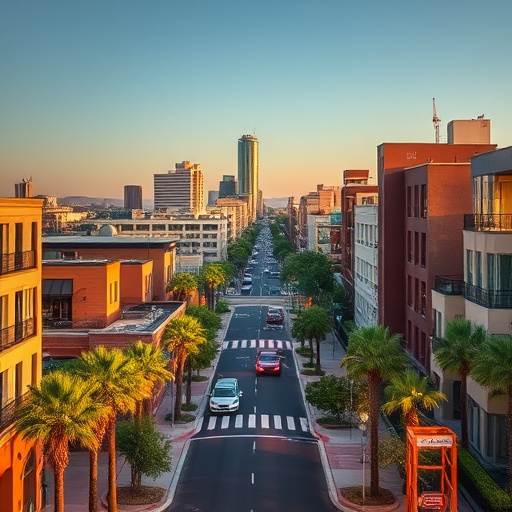
In vibrant downtown Phoenix, where the urban pulse meets a thriving healthcare sector, creating safe, quiet blocks is paramount for enhancing community well-being. These tranquil neighborhoods, characterized by low crime rates and peaceful atmospheres, serve as ideal residences for individuals seeking a balance between city life and access to top-tier medical facilities. A prime example is the burgeoning healthcare education engine housing a myriad of hospitals, clinics, and research institutions, all within close proximity to affordable rentals catering to students and young professionals. This concentration of healthcare resources not only attracts medical students from across Arizona but also underscores the city’s commitment to fostering a robust healthcare community.
Phoenix’s strategic urban planning plays a pivotal role in facilitating this synergy between residential tranquility and healthcare accessibility. The city’s diverse landscape offers a tapestry of safe, family-oriented blocks that double as essential hubs for healthcare delivery. This dual function is particularly evident in areas near major medical centers, where residents enjoy not only easy access to specialized care but also peaceful living environments. For instance, studies have shown that proximity to quality healthcare facilities significantly improves patient outcomes, making these quiet blocks invaluable assets to the community.
Implementing strategies for enhancing healthcare access within these serene neighborhoods involves a multifaceted approach. Local governments and property developers can collaborate to create mixed-use districts that seamlessly blend residential spaces with medical facilities, thereby reducing travel times and fostering walkability. Additionally, providing affordable rental options tailored to medical students and residents of diverse economic backgrounds ensures accessibility without compromising the safety and tranquility of the community. Phoenix’s commitment to balancing urban growth with quality of life can serve as a model for other cities seeking to optimize healthcare access in their downtown areas.
Education & Housing: Fostering Collaborative Spaces

In downtown Phoenix, where a thriving healthcare education engine drives economic growth, housing and education must evolve together to meet the needs of a diverse community. The demand for affordable rentals among medical students and young professionals seeking careers in the burgeoning healthcare sector is particularly acute. This urban landscape offers a unique opportunity to foster collaborative spaces that blur the lines between living and learning.
Consider the benefits of integrating educational institutions with housing options in central areas like downtown Phoenix. Medical students could access their campuses via convenient, safe, and quiet blocks. This walkability not only reduces commuting stress but also encourages interaction among neighbors, creating a vibrant community atmosphere. Moreover, shared amenities like rooftop gardens, coworking spaces, or on-site libraries can facilitate networking and knowledge exchange, fostering a collaborative environment that extends beyond traditional classroom settings.
For example, the rise of affordable housing projects near Phoenix’s major medical centers has shown promising results. These developments offer not only living quarters but also community hubs where students and residents can connect, collaborate, and support one another. According to recent studies, such integrated approaches can lead to improved academic performance, enhanced social connections, and higher levels of job satisfaction for healthcare professionals. As downtown Phoenix continues to evolve, prioritizing collaborative housing solutions will be crucial in sustaining its reputation as a vibrant hub for education and innovation.
To achieve this, partnerships between developers, educators, and city planners are essential. By considering the specific needs of medical students and other young professionals, thoughtfully designed housing developments can become catalysts for community building and knowledge exchange. This approach not only addresses the housing crisis but also cultivates an environment that nurtures the next generation of healthcare leaders in the heart of downtown Phoenix.