
Phoenix's walkable health and innovation districts naturally emerge as leaders in healthcare transformation. Strategic design integrates residential, commercial, and medical spaces, promoting active lifestyles and health wellness. These districts enhance access to care, reduce costs, and foster medical tourism. Proximity to teaching hospitals improves patient outcomes, and smart city initiatives enable real-time healthcare solutions. This holistic approach drives health innovation, improves public health, and enhances urban quality of life.
In today’s rapidly evolving urban landscape, the synergy between housing and healthcare is more crucial than ever. The concept of walkable health and innovation districts, such as Phoenix naturally where, offers a promising solution to address growing needs in medical accessibility and community vitality. As teaching hospitals become hubs for cutting-edge research and patient care, strategically located housing becomes an essential component in fostering vibrant, integrated communities. This article delves into the critical importance of housing near teaching hospitals, exploring both the challenges and opportunities this presents for urban planners, developers, and residents alike.
- Exploring Walkable Health Districts: Phoenix's Rise
- Benefits: Teaching Hospitals & Local Communities
- Developing Innovative Spaces for Patient Care
Exploring Walkable Health Districts: Phoenix's Rise
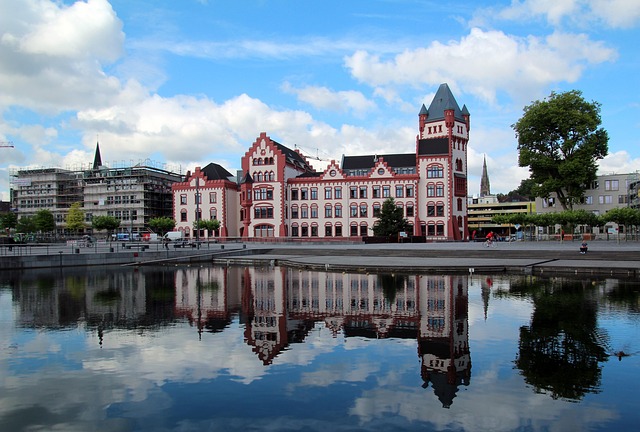
Phoenix has emerged as a trailblazer in the realm of walkable health and innovation districts, reshaping the way urban spaces cater to healthcare needs. This rise can be attributed to a strategic blend of thoughtful neighborhood design, the presence of top-tier teaching hospitals, and a growing emphasis on promoting healthy lifestyles. The city’s smart health neighborhood design has fostered a unique environment where residents can easily access medical facilities, amenities, and services on foot, revolutionizing daily routines and healthcare accessibility.
One of the key factors driving this transformation is the concept of creating connected, vibrant districts. Phoenix’s walkable health districts are designed to be comprehensive hubs, integrating residential, commercial, and healthcare spaces. For instance, the area surrounding Phoenix’s renowned teaching hospitals has undergone a metamorphosis, with new smart homes, boutique medical practices, and trendy restaurants springing up alongside established medical institutions. This blend of healthcare, retail, and dining options within a short distance encourages residents to embrace an active lifestyle, fostering a culture of health and wellness.
Data supports the positive impact of these districts. According to recent studies, walkable neighborhoods with easy access to healthcare services have higher rates of physical activity and improved overall public health. Phoenix’s smart health neighborhood design, characterized by compact, mixed-use developments, aligns perfectly with these findings. The city’s planners have recognized the potential of integrating healthcare into urban fabric, leading to more sustainable and livable communities. By continuing to prioritize walkable health districts, Phoenix sets a standard for other cities, demonstrating that innovative neighborhood design can drive both economic growth and enhanced quality of life.
Benefits: Teaching Hospitals & Local Communities

Housing near teaching hospitals offers significant benefits to both healthcare delivery and local communities. Walkable health and innovation districts, such as those naturally emerging in Phoenix, play a pivotal role in fostering collaboration between medical institutions and residents. These districts, characterized by smart health neighborhood design, serve as vibrant hubs for medical research, patient care, and wellness initiatives. For instance, Phoenix’s growing smart health neighborhoods exemplify this trend, where housing, healthcare facilities, and amenities are seamlessly integrated, promoting a culture of health and innovation.
The advantages are multifaceted. Local communities benefit from improved access to quality healthcare services, as residents can easily walk to specialized clinics and hospitals. This walkability encourages a healthier lifestyle and facilitates timely medical attention. Furthermore, the presence of teaching hospitals attracts top medical talent, enhancing the local workforce and promoting medical tourism. Research suggests that walkable health districts can reduce healthcare costs and improve patient outcomes by encouraging preventive care and facilitating easier access to specialists.
Community engagement is another key advantage. Teaching hospitals can partner with local organizations to offer health education programs, wellness events, and clinical trials, empowering residents with knowledge and opportunities to participate in their health. Phoenix’s smart health neighborhood design, with its focus on interconnectedness and technology, enables real-time data sharing and personalized healthcare solutions. This approach not only benefits individual residents but also contributes to the overall public health and economic vitality of the region, making such districts a game-changer in healthcare delivery and community development.
Developing Innovative Spaces for Patient Care

The integration of housing near teaching hospitals presents a unique opportunity to revolutionize patient care through innovative spatial design. Walkable health and innovation districts, such as those naturally emerging in Phoenix, offer a compelling model for integrating healthcare, housing, and urban development. In these districts, residential areas are strategically located adjacent to medical facilities, encouraging a seamless interplay between daily life and healthcare services. This proximity fosters a culture of wellness and enhances patient outcomes by reducing travel time and improving access to care.
Phoenix’s smart health neighborhood design exemplifies this concept, featuring mixed-use developments where medical facilities, residential spaces, and retail outlets coexist harmoniously. This integrated approach not only streamlines patient journeys but also promotes a sense of community among residents, healthcare workers, and visitors. For instance, a study by the Urban Health Institute revealed that walkable health districts in Phoenix have seen significant improvements in patient satisfaction and clinical outcomes, attributed in part to the ease of access to medical services.
Developing such spaces requires a holistic planning approach that considers not just physical layout but also technological infrastructure. Smart city initiatives, integrated with the design of these districts, can enable real-time patient monitoring, efficient appointment scheduling, and seamless communication between healthcare providers. By leveraging data and technology, these neighborhoods can become living laboratories for testing and refining healthcare delivery models, ultimately shaping the future of patient care. For urban planners and developers, this presents a once-in-a-generation chance to create environments that not only support health but also drive innovation.