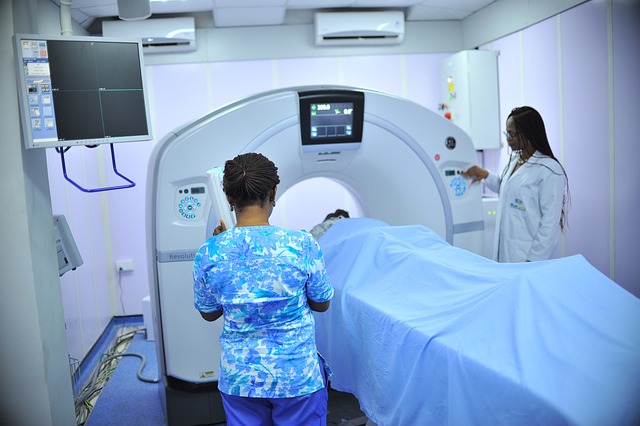
Phoenix's walkable health districts integrate medical facilities with residential areas, including luxury condos for medical residents, to enhance well-being. This model improves patient care, attracts global talent, and fosters community through mixed-use development and sustainable design. By prioritizing walkability, green spaces, and smart technology, Phoenix creates vibrant hubs that drive economic growth and promote advanced healthcare while catering to diverse housing needs.
The health and well-being of medical professionals is a growing concern, particularly in urban centers like Phoenix where luxury condos for medical residents have gained prominence. As healthcare innovations accelerate, creating walkable health and innovation districts emerges as a strategic solution to attract and retain talent. However, the current urban landscape often falls short in fostering connected communities that seamlessly integrate residential, healthcare, and tech hubs. This article delves into the concept of walkable health districts, exploring how thoughtfully designed spaces can enhance quality of life for medical residents while driving innovation and accessibility in Phoenix and beyond.
- Understanding Walkable Health Districts: A New Urban Trend
- Innovation in Healthcare: Driving Medical Progress Forward
- Phoenix's Rise: Luxury Condos for Medical Residents
- Community Engagement: Enhancing Local Well-being
- Sustainable Design: Creating Healthy Living Spaces
- Future of Medicine: Global Impact and Collaborations
Understanding Walkable Health Districts: A New Urban Trend

Walkable Health Districts are emerging as a transformative trend in urban planning, prioritizing health and wellness through design. This innovative approach focuses on creating vibrant, pedestrian-friendly environments where residents can effortlessly access essential healthcare services, fostering a culture of active living. In cities like Phoenix, where luxury condos for medical residents have gained popularity, understanding this concept is pivotal for shaping sustainable and healthy communities.
Phoenix, known for its rapid urban growth, has witnessed a surge in demand for short-term furnished doctor housing options. This trend reflects the city’s evolving needs as it navigates population changes and attracts medical professionals from diverse backgrounds. Walkable Health Districts offer a strategic solution by integrating residential spaces with healthcare facilities, thereby reducing commuting times and encouraging a more active lifestyle among doctors and residents. For instance, certain areas in Phoenix have begun to develop mixed-use districts with medical offices, retail stores, and luxury condos, all within walking distance, creating an ideal environment for both patients and practitioners.
By embracing this new urban trend, cities like Phoenix can enhance the overall well-being of their inhabitants. Walkable Health Districts encourage a more connected community, where residents are incentivized to engage in regular physical activity while accessing healthcare services efficiently. This approach aligns with global health initiatives promoting walkability as a key strategy for preventing chronic diseases and improving mental health. Incorporating amenities like medical facilities, parks, and healthy food options within a short distance fosters a holistic lifestyle that goes beyond traditional healthcare models. As urban planners and developers consider the needs of modern healthcare consumers, integrating luxury condos for medical residents alongside walkable health districts becomes a strategic move to create vibrant, livable cities.
Innovation in Healthcare: Driving Medical Progress Forward

The convergence of walkable health and innovation districts is reshaping urban landscapes worldwide, fostering an environment conducive to medical progress. At the heart of this transformation lies the integration of cutting-edge healthcare facilities with vibrant residential spaces, exemplified by the emergence of luxury condos for medical residents Phoenix offers. These developments cater specifically to healthcare professionals, providing not just high-end accommodation but also easy access to top medical institutions and research centers. The result is a dynamic ecosystem where doctors, researchers, and specialists can collaborate, innovate, and contribute to advancements in medicine.
Phoenix serves as a prime example of this trend, with its thriving health innovation district attracting talent from around the globe. The city’s robust healthcare infrastructure, coupled with the availability of short-term furnished doctor housing Phoenix residents appreciate, has fostered an unparalleled environment for medical innovation. This influx of professionals seeking both quality living and convenient access to top-tier facilities underscores the critical link between comfortable residential options and robust healthcare outcomes. By providing luxurious condos tailored to medical residents’ needs, Phoenix not only enhances its appeal as a healthcare hub but also drives progress in medical research and patient care.
The impact of such innovations extends far beyond local boundaries. As more cities embrace walkable health districts, we can anticipate accelerated advancements in various medical fields. This includes improved access to personalized healthcare, cutting-edge treatments, and collaborative research initiatives that push the envelope of what’s possible. For instance, the concentration of medical professionals living close to their workplaces has been shown to lead to increased efficiency in patient care, faster response times, and enhanced overall healthcare quality. Additionally, the convenience of short-term furnished doctor housing Phoenix offers allows professionals to focus on their work without the hassle of extended relocation processes, further expediting the pace of medical progress.
Phoenix's Rise: Luxury Condos for Medical Residents

Phoenix’s thriving health innovation district has emerged as a prominent hub, attracting medical professionals from across the country. At the heart of this growth is a unique real estate trend: the development of luxury condos specifically designed for medical residents. This strategy addresses a critical need for short-term furnished doctor housing in Phoenix, catering to the transient nature of the healthcare workforce. By offering fully equipped and stylish living spaces, these condos provide a significant advantage over traditional rental options, fostering a sense of community among residents.
The city’s vibrant ecosystem supports this approach, with numerous medical centers and research facilities within close proximity. For instance, the rise of Phoenix’s biotechnology district has led to an influx of highly skilled workers, many of whom require accommodation solutions that match their professional demands. Real estate developers have recognized this opportunity, creating modern luxury condos with amenities tailored to doctors’ lifestyles. These include high-speed internet, on-site fitness centers, and even dedicated workspaces, ensuring residents can maintain a productive routine while away from home.
Moreover, the short-term nature of these rentals is particularly appealing for temporary assignments or those waiting for permanent housing. Phoenix’s furnished luxury condos offer a flexible solution, allowing doctors to focus on their work without the burden of long-term commitments. This trend not only benefits individuals but also contributes to the city’s economic growth and healthcare industry sustainability. As Phoenix continues to evolve as a medical destination, investments in innovative housing options will undoubtedly play a pivotal role in attracting and retaining top talent.
Community Engagement: Enhancing Local Well-being

Community engagement is a cornerstone of creating walkable health and innovation districts, particularly in urban settings like Phoenix. By fostering strong connections between residents, healthcare providers, and local businesses, these areas can become vibrant hubs that enhance overall well-being. One effective strategy involves integrating luxury condos for medical residents Phoenix has to offer, providing short-term furnished doctor housing options within close proximity to healthcare facilities. This approach addresses a critical need, as studies show that access to affordable, convenient housing directly impacts healthcare provider satisfaction and retention rates.
For instance, in urban centers like Phoenix, where the demand for medical professionals outstrips supply, attracting and retaining talent is essential. Offering high-quality, short-term accommodations can alleviate the stress associated with finding stable housing, allowing doctors and other healthcare workers to focus on patient care. This model not only benefits individuals but also contributes to the district’s overall success by encouraging a diverse and engaged community. Furthermore, these condos can be designed with shared amenities that promote social interaction and networking opportunities, fostering a sense of belonging among residents.
To maximize the impact, developers and urban planners should collaborate closely with local communities and healthcare providers. By understanding specific needs and preferences, they can design districts that truly support and enhance local well-being. This might include integrating green spaces, efficient transportation networks, and access to quality education within the district boundaries. Additionally, engaging in continuous community feedback loops ensures that innovations and developments remain aligned with residents’ evolving requirements, creating a sustainable and thriving environment for all.
Sustainable Design: Creating Healthy Living Spaces

Sustainable design plays a pivotal role in creating healthy living spaces within walkable health and innovation districts. In Phoenix, where the climate encourages outdoor lifestyles, integrating eco-friendly practices into urban planning fosters a wellness culture. For instance, luxury condos for medical residents in Phoenix often prioritize natural ventilation, energy-efficient appliances, and green building materials to reduce carbon footprints. These strategies not only contribute to environmental sustainability but also enhance indoor air quality, which is crucial for the well-being of healthcare professionals.
One notable example is the emergence of short-term furnished doctor housing in Phoenix, catering to medical professionals on temporary assignments. These properties are designed with a focus on comfort and health, incorporating smart home technology for efficient energy use, water conservation measures, and ergonomic furniture that promotes better posture. By prioritizing sustainability in these districts, Phoenix sets an example for other urban centers, ensuring that healthcare hubs also serve as models for healthy living environments.
Experts emphasize the importance of accessible green spaces within walkable districts. Well-designed parks, gardens, and outdoor recreation areas not only provide mental breaks but also contribute to overall health by promoting physical activity. Data suggests that neighborhoods with higher levels of walkability and greenery exhibit lower rates of chronic diseases among residents. Therefore, developers should integrate these features into the fabric of Phoenix’s health and innovation districts, ensuring that medical professionals and residents alike benefit from a holistic approach to wellness.
To achieve this, urban planners can collaborate with healthcare experts, architects, and environmental scientists to create sustainable design guidelines specific to Phoenix’s climate and topography. These guidelines should address water management strategies, adaptive building designs for energy efficiency, and the incorporation of local, sustainable materials. By implementing such practices, Phoenix can become a leader in innovative, healthy living spaces that attract medical talent and promote the well-being of its residents, making it an ideal destination for luxury condos for medical residents and short-term furnished doctor housing.
Future of Medicine: Global Impact and Collaborations

The future of medicine is being rewritten through a global shift towards innovative health districts, where collaboration and walkable design create thriving communities for healthcare providers and patients alike. This paradigm change extends beyond traditional medical hubs to include vibrant urban areas that seamlessly integrate healthcare, housing, and lifestyle. Phoenix, Arizona, serves as an excellent case study, showcasing how strategic planning can foster such districts. Here, the availability of luxury condos for medical residents Phoenix offers a compelling solution for addressing housing challenges faced by healthcare professionals, particularly in short-term furnished doctor housing scenarios.
Global health districts are characterized by compact, walkable spaces that encourage interaction and ease of access to essential services. In these environments, medical facilities, research institutions, and residential areas blend harmoniously, fostering collaboration and innovation. Phoenix’s growing reputation as a healthcare hub is reflected in its burgeoning Innovation District, where top-tier hospitals, startups, and luxury condos coexist. This integrated ecosystem attracts talent worldwide, including physicians seeking affordable and convenient housing options. The city’s diverse real estate market provides various choices, from high-end condominium developments to short-term furnished rentals, catering to the unique needs of medical residents on temporary assignments or in training programs.
Collaborative efforts between healthcare providers, urban planners, and developers are instrumental in shaping these districts. By offering incentives for mixed-use development and prioritizing walkability, cities can create vibrant hubs that attract investment and talent. For instance, Phoenix’s commitment to smart growth policies has led to the emergence of tech and healthcare clusters, driving economic growth while enhancing access to care. The success of such initiatives lies in understanding local needs and leveraging technology to connect healthcare services, housing, and community amenities seamlessly. Medical residents, whether they opt for luxury condos or short-term furnished doctor housing Phoenix offers, benefit from these integrated districts, which promise not only a better quality of life but also significant advancements in medical care.