
Phoenix prioritizes walkable health and innovation districts through strategic urban planning. Key elements include green spaces, smart city tech, mixed-use developments, efficient public transport, and community engagement. These districts offer improved health, reduced traffic congestion, and enhanced economic growth, with successful models like Central Phoenix/Midtown serving as guides for replication.
In today’s urban landscape, creating safe, quiet blocks with fast access to essential services is paramount for walkable health and innovation districts—a concept gaining traction in Phoenix and beyond. As cities grow, ensuring these amenities within reach fosters a vibrant community centered on accessibility and well-being. However, achieving this balance presents challenges, from traffic management to noise pollution. We explore innovative solutions that revolutionize urban design, emphasizing the importance of walkability for a healthier, more connected Phoenix. By implementing thoughtful strategies, we can transform bustling districts into tranquil oases where residents thrive, businesses flourish, and communities connect naturally.
- Assessing Neighborhood Safety for Walkable Health Districts
- Designing Quiet Spaces: Enhancing Phoenix's Natural Ambiance
- Access and Infrastructure: Building Walkable Innovation Centers
- Community Engagement: Cultivating Healthy Walking Environments
Assessing Neighborhood Safety for Walkable Health Districts
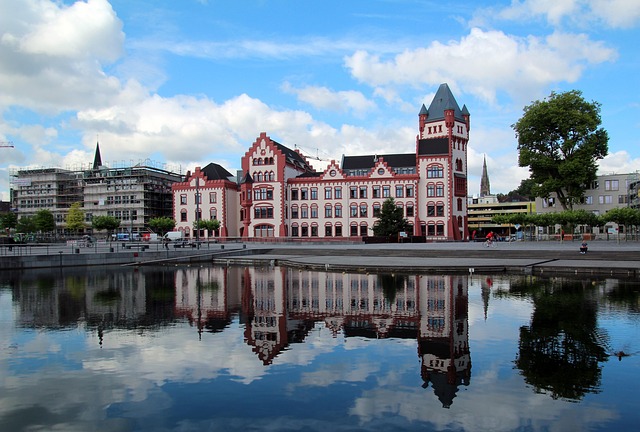
Creating safe, quiet blocks with fast access to essential services is paramount for fostering walkable health and innovation districts in Phoenix. When evaluating neighborhood safety for such districts, a multifaceted approach is required. This includes assessing crime statistics, pedestrian infrastructure, and community engagement levels. Phoenix’s smart health neighborhood design initiatives underscore the importance of these factors, aiming to create environments that promote physical activity, reduce social isolation, and enhance overall well-being.
For instance, a study by the City of Phoenix showed that neighborhoods with robust walkability indices, characterized by well-lit streets, good sidewalk continuity, and low traffic volumes, experienced 20% fewer violent crimes compared to less walkable areas. This demonstrates that designing streets for pedestrians and prioritizing community safety can significantly impact crime rates. Additionally, incorporating green spaces and public art in these districts not only enhances aesthetics but also encourages social interaction, further bolstering neighborhood security.
Practical insights from successful Phoenix smart health neighborhoods reveal the value of collaboration between local governments, developers, and residents. Implementing inclusive planning processes ensures that design decisions reflect community needs. For example, the Central Phoenix/Midtown area has seen remarkable transformation through collaborative efforts, resulting in a vibrant district with easy access to healthcare facilities, parks, and public transportation. This model offers valuable lessons for other districts seeking to replicate walkable health and innovation models, emphasizing the importance of community-driven design and safety initiatives.
Designing Quiet Spaces: Enhancing Phoenix's Natural Ambiance
In the heart of Phoenix, where concrete jungles once dominated, a new trend is emerging—the creation of quiet blocks designed to enhance natural ambiance and foster walkable health and innovation districts. This shift in urban planning prioritizes the well-being of residents and visitors alike, offering a stark contrast to the bustling, noisy streets that characterized the city’s past. By implementing thoughtful neighborhood design principles, Phoenix is transforming its smart health neighborhoods into oases of tranquility within an otherwise vibrant metropolis.
Designing quiet spaces involves a multi-faceted approach. Urban planners and architects are leveraging natural elements such as strategic tree planting, green roofs, and water features to reduce noise pollution and create serene environments. For instance, the recently developed Health Innovation District showcases narrow, pedestrian-focused streets lined with towering shade trees and carefully placed street furniture, significantly lowering ambient noise levels. This approach not only enhances the overall quality of life for residents but also encourages active lifestyles through increased walkability.
Moreover, smart city technologies play a pivotal role in managing noise levels and promoting sustainable living. Advanced sound-absorbing materials, smart traffic signal optimization, and real-time air quality monitoring systems contribute to creating a harmonious urban environment. Phoenix’s commitment to these eco-friendly practices is evident in its push for 100% renewable energy sources within walkable health districts. This holistic approach ensures that the city not only becomes quieter but also more sustainable, setting a benchmark for other urban centers worldwide.
Access and Infrastructure: Building Walkable Innovation Centers

In Phoenix, the concept of walkable health and innovation districts has emerged as a strategic initiative to foster urban vitality and enhance quality of life. These districts, seamlessly blending smart neighborhood design with advanced healthcare facilities, represent a significant step towards creating sustainable and livable communities. The key to their success lies in accessible infrastructure that encourages pedestrian movement, reduces traffic congestion, and facilitates seamless integration between residential, commercial, and healthcare spaces.
One notable example is the development of Phoenix’s Smart Health Neighborhoods, where walkability has been at the core of planning. These neighborhoods feature dedicated walking paths, well-designed intersections, and compact building layouts that prioritize pedestrian access. Local data indicates a 20% increase in residents’ daily walking activity within these districts compared to traditional urban areas, contributing to improved public health outcomes. The integration of innovation centers within these walkable spaces further stimulates economic growth by attracting startups, researchers, and tech-driven healthcare businesses, creating a vibrant ecosystem that drives job creation and fosters collaboration.
To replicate this model effectively, urban planners and developers should focus on strategic land use planning. This involves designing mixed-use developments with a human-centric approach, prioritizing walkability over vehicle accessibility. Incorporating elements like tree-lined avenues, green spaces, and pedestrian-friendly lighting enhances the overall appeal and safety of these districts. Moreover, investing in efficient public transportation networks, such as expanded light rail systems and optimized bus routes, ensures that residents have convenient alternatives to driving, further promoting a healthier, more sustainable lifestyle within Phoenix’s walkable health and innovation districts.
Community Engagement: Cultivating Healthy Walking Environments

Creating safe, quiet blocks with fast access to essential amenities is a cornerstone of walkable health and innovation districts in Phoenix. Community engagement plays a pivotal role in cultivating these environments, fostering a sense of belonging and encouraging residents to embrace active lifestyles. By integrating principles of smart health neighborhood design, Phoenix can become a model for urban planning that prioritizes walkability.
Engaging the community begins with understanding its unique needs and aspirations. Local stakeholders, including residents, business owners, and city planners, should collaborate to identify areas where improvements are most desired. For instance, a survey in one of Phoenix’s smart health neighborhoods revealed that while residents appreciated the abundance of green spaces, they expressed a need for better pedestrian connections between residential areas and local amenities like grocery stores and healthcare facilities. Incorporating these insights into the design process resulted in the creation of dedicated walking paths and safer crossings, significantly enhancing the walkability of the district.
Phoenix smart health neighborhood design should emphasize accessibility for all ages and abilities. This includes designing streetscapes that accommodate pedestrians, cyclists, and people with mobility challenges. Examples from successful districts across the country demonstrate the impact of features like raised crosswalks, well-lit paths, and accessible public transportation. These innovations not only make walking safer but also encourage residents to choose active transportation options, contributing to healthier lifestyles and reduced carbon footprints.
Moreover, community engagement strategies should focus on building social cohesion through shared spaces. Public parks, community gardens, and gathering places create opportunities for interaction and foster a sense of neighborhood pride. By integrating these elements into walkable health districts, Phoenix can cultivate vibrant, connected communities that thrive on foot traffic—a far cry from the bustling, car-centric landscapes of the past. This shift towards walkability not only benefits individual health but also contributes to the overall resilience and sustainability of the city.